


What Is EDM? Electronic Dance Music as Sound, Structure and Global Spectacle
Electronic Dance Music, commonly known as EDM, is one of the most widely recognized and commercially successful forms of electronic music. Defined by its energetic rhythms, structured build-ups, and festival-driven sound, EDM has become a dominant force in global music culture.
While often used as a broad umbrella term, EDM represents a specific phase in the evolution of electronic music—one that emphasizes high-energy production, large-scale performances, and accessible musical structures.

What Is EDM (Electronic Dance Music)?
EDM (Electronic Dance Music) refers to a style of electronic music designed primarily for dance floors, festivals, and large audiences. It is characterized by:
strong rhythmic structure
build-ups and drops
high production intensity
accessible melodies
Although EDM is often used as a general term for all electronic dance music, it more specifically describes the mainstream, festival-oriented sound that emerged in the late 2000s and 2010s.
EDM typically ranges between 120 and 150 BPM, depending on the subgenre, and focuses heavily on creating moments of tension and release.
The Origins of EDM
From Underground to Mainstream
EDM did not originate as a single genre but evolved from earlier electronic music styles such as:
trance
electro
These genres developed in underground scenes in cities like Chicago, Detroit, and Berlin. Over time, elements from these styles were adapted into a more accessible and high-energy format, leading to what is now known as EDM.
The Rise of Festival Culture
The term EDM became widely used in the late 2000s as electronic music began dominating large-scale festivals.
Events such as:
Tomorrowland
Ultra Music Festival
Electric Daisy Carnival
helped define EDM as a global phenomenon. The music was designed for massive sound systems, visual production, and large audiences.
The Sound and Structure of EDM
Build-Ups and Drops
One of the defining features of EDM is the build-up and drop structure.
The build-up gradually increases tension using rising sounds and rhythmic elements
The drop releases that tension with a powerful combination of bass, drums, and melody
This structure is central to EDM’s impact on large crowds.
Melody and Energy
EDM often features strong, memorable melodies combined with high-energy production. Unlike more minimal genres, EDM aims for immediate impact and emotional response.
Production and Sound Design
EDM production is highly polished, using advanced sound design techniques, layering, and effects to create powerful and clean mixes suitable for large venues.
Subgenres of EDM
EDM includes a wide range of subgenres, each with its own characteristics.
Big Room House
Big room house is designed for festivals, featuring simple melodies and massive drops.
Progressive House
Progressive house focuses on gradual build-ups and melodic development.
Electro House
Electro house combines aggressive basslines with energetic rhythms.
Dubstep
Dubstep introduces heavy bass modulation and syncopated rhythms.
Future Bass
Future bass emphasizes chord progressions, pitch modulation, and emotional melodies.
Foundational Artists and Albums in EDM
Avicii, Calvin Harris, and Swedish House Mafia
The rise of EDM is closely tied to a group of producers who helped bring electronic music into mainstream global culture. Among the most influential are Avicii, Calvin Harris, and Swedish House Mafia.
Avicii played a key role in introducing melodic and emotional elements into EDM, blending electronic production with songwriting techniques.
Calvin Harris helped bridge electronic music and pop, producing tracks that reached global audiences. Swedish House Mafia defined the festival EDM sound, combining powerful drops with anthemic melodies.
Key Releases That Defined EDM
While EDM is largely driven by singles, several releases helped define its global identity.
Avicii – True (2013)
An influential album that blended EDM with folk and pop influences, expanding the genre’s reach.

Calvin Harris – 18 Months (2012)
A commercially successful album that brought EDM into mainstream charts worldwide.

Swedish House Mafia – Until Now (2012)
A defining collection of tracks that captured the peak of EDM festival culture.

Iconic Vinyl Releases in EDM
Even though EDM is primarily a digital-era genre, vinyl releases remain important cultural artifacts.
Daft Punk – Discovery (2001, vinyl edition)
A landmark electronic album that influenced the melodic and production style of EDM.

Deadmau5 – For Lack of a Better Name (2009, vinyl edition)
A key release in progressive and electro house, widely respected in EDM culture.

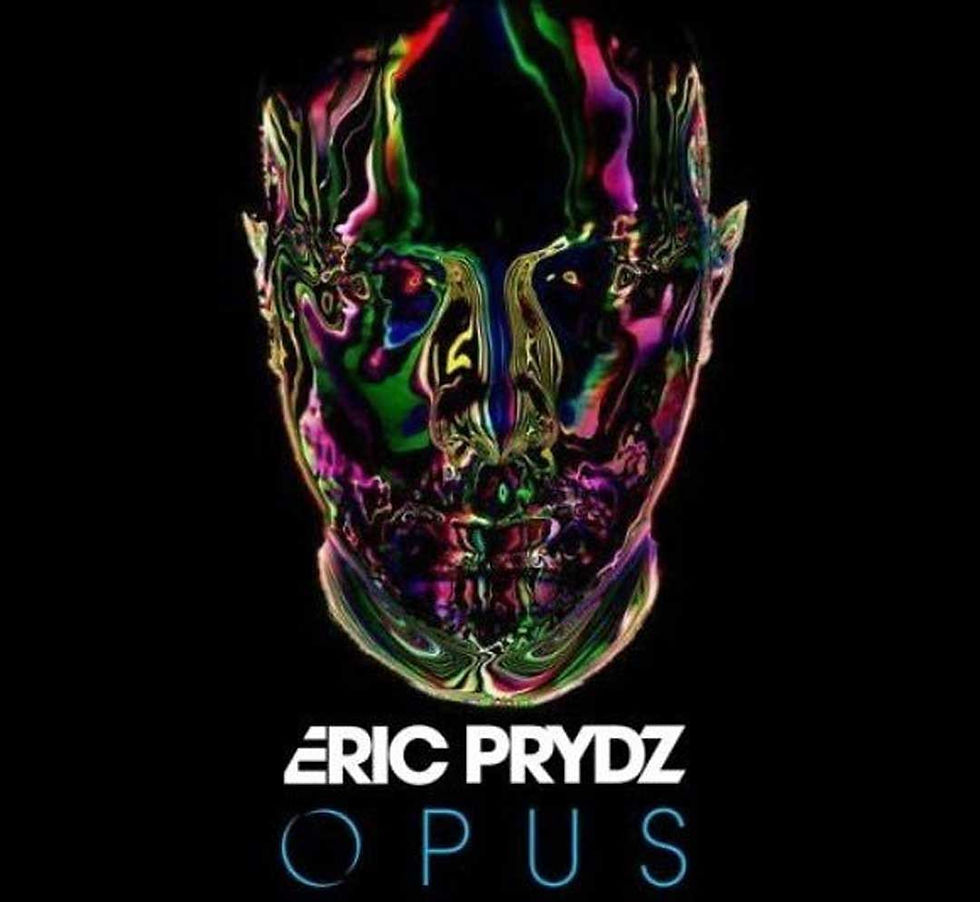
Eric Prydz – Opus (2016, vinyl edition)
A modern example of melodic EDM translated into a long-form, immersive album format.
These artists and releases helped define EDM’s sound, structure, and global reach, shaping how electronic music is experienced today.
EDM and Global Culture
EDM is deeply connected to global youth culture, festivals, and digital platforms. It represents a shift in how music is consumed and experienced:
large-scale events
visual production and stage design
global streaming platforms
EDM transformed DJs into global performers and producers into international artists.
Music at Scale: How EDM Redefined Electronic Music
EDM is often discussed in terms of genres, artists or chart success, but its defining characteristic lies elsewhere. It operates at a different scale.
Unlike earlier forms of electronic music, which developed within studios and later in clubs, EDM is built for vast environments. Its structure reflects this shift. Tracks are designed not only to be heard, but to be experienced across large crowds, amplified through powerful sound systems and synchronised with visual and spatial elements.
The build-up and drop — now considered standard elements of EDM — are not merely compositional techniques. They function as mechanisms of collective control. Tension is accumulated over time, held across thousands of listeners, and then released in a single, coordinated moment. This is not just musical progression; it is the orchestration of attention and movement at scale.
In this context, the festival becomes essential. Events such as Tomorrowland or Ultra Europe are not simply platforms for performance, but environments where EDM reaches its full form. Sound, light, architecture and crowd dynamics are integrated into a unified system.
EDM, therefore, should not be understood only as a genre, but as an expansion of electronic music into large-scale experience. It transforms composition into event, and listening into participation within a collective structure.
EDM in Modern Electronic Music
Today, EDM continues to evolve, incorporating influences from underground genres while maintaining its festival-driven identity. At the same time, there is an ongoing dialogue between mainstream EDM and underground electronic music scenes, with artists moving between both worlds.
EDM (Electronic Dance Music) represents a major chapter in the evolution of electronic music. Emerging from underground genres and evolving into a global phenomenon, it combines high-energy production, structured composition, and large-scale performance culture.
While rooted in earlier electronic traditions, EDM introduced a new level of accessibility and global reach. Through its focus on energy, melody, and spectacle, it continues to shape how electronic music is produced and experienced worldwide.
Written by Otávio Santiago, a designer crafting visual systems that move between the tactile and the digital. His work combines motion, branding, and 3D exploration with a poetic sense of structure.



Exploring EDM as a global spectacle reveals how deeply technology shapes modern sound. It’s not just about the drops; it’s about the complex integration of hardware and software that creates these immersive experiences. For producers trying to build unique synthesizers or controllers to achieve that signature sound, getting a custom pcb quote is often the first step in moving from a bedroom setup to professional-grade gear. The structure of these tracks relies heavily on precise electronic design. Understanding this intersection of engineering and culture really deepens my appreciation for the genre. It’s fascinating how circuits define the beat!