


Electronic Music Culture: Clubs, DJs and Festival Communities
Updated: Mar 15
Electronic music culture is one of the most distinctive cultural movements in modern music. Unlike many traditional musical traditions centered on performers or bands, electronic music culture developed through collective environments such as clubs, underground scenes, and large-scale festivals.
Over time, electronic music culture has expanded from small experimental communities into a global network of artists, producers, DJs, and audiences. The culture surrounding electronic music reflects not only musical innovation but also social interaction, technological change, and urban nightlife.
Understanding electronic music culture requires examining three key elements: the role of clubs, the importance of DJs, and the global expansion of electronic music festivals.

Electronic Music and Club Culture
The Emergence of Electronic Music Clubs
Electronic music culture began to take shape in urban club environments during the late twentieth century. Clubs provided spaces where DJs and producers could experiment with new sounds, extended mixes, and rhythmic structures that differed from traditional live performances.
Cities such as Chicago, Detroit, and Berlin became important centers of electronic music culture. These cities fostered unique electronic music scenes in which DJs, producers, and audiences interacted directly through dancefloor experiences.
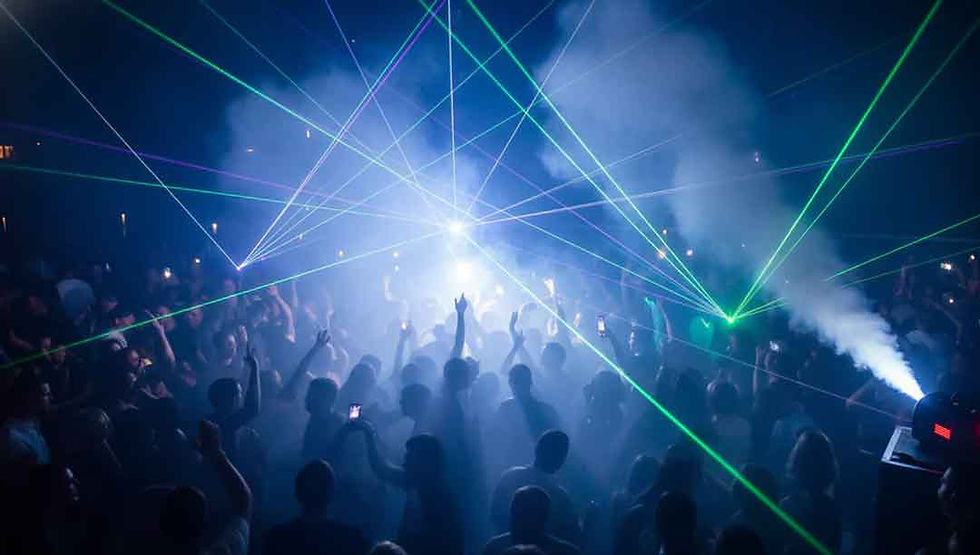
Electronic music clubs allowed the music to be experienced physically. The combination of sound systems, lighting design, and continuous DJ sets created immersive environments that defined electronic music culture.
Electronic Music Clubs as Cultural Spaces
Electronic music clubs function not only as venues for music but also as social spaces where communities form around shared musical interests.
Within electronic music culture, clubs often represent:
experimental artistic spaces
meeting points for underground scenes
laboratories for new electronic music genres
These environments played a central role in shaping electronic music culture and helped transform electronic music into a global movement.

The Role of DJs in Electronic Music Culture
DJs as Performers in Electronic Music Culture
In electronic music culture, DJs occupy a central creative role. Rather than performing individual compositions, DJs construct musical journeys by selecting, mixing, and sequencing tracks in real time.
This approach allows DJs to guide the energy of the dancefloor, gradually shaping the atmosphere of a club or festival environment.
The DJ therefore becomes both a curator and performer within electronic music culture.
DJ Technology and Electronic Music Culture
The technological tools used by DJs have also influenced electronic music culture. Early
DJs relied primarily on vinyl turntables and mixers, developing techniques such as beatmatching and crossfading to blend tracks seamlessly.
Today, digital DJ systems allow performers to integrate:
digital music libraries
live remixing
looping and effects
hybrid performance setups
These technological developments continue to expand the possibilities of performance within electronic music culture.

Electronic Music Festivals and Global Culture
The Rise of Electronic Music Festivals
Electronic music festivals represent one of the most visible expressions of electronic music culture. Beginning in the 1990s and expanding dramatically in the 2000s, festivals created large-scale gatherings centered on electronic music.
Electronic music festivals bring together thousands of participants and often feature multiple stages, visual installations, and internationally recognized DJs.
These events illustrate how electronic music culture evolved from underground club scenes into global cultural phenomena.
European Festival Scenes in Electronic Music Culture
Europe plays a particularly important role in electronic music culture. Countries such as Germany, the Netherlands, Belgium, and Croatia host some of the world's most influential electronic music festivals.
European festival scenes often combine historical club traditions with contemporary festival production. These events contribute significantly to the international circulation of electronic music culture.
Underground Club Movements in Electronic Music Culture
Despite the visibility of large festivals, underground club movements remain essential to electronic music culture.
Underground scenes allow experimentation and innovation. Small venues often introduce new electronic music genres and emerging artists before they reach wider audiences.
These local movements continue to shape the development of electronic music culture worldwide.
Rave Culture and Electronic Music Communities
Rave culture represents another important dimension of electronic music culture. Emerging during the late 1980s and early 1990s, rave events emphasized collective participation, extended dance sessions, and immersive audiovisual environments.
Rave culture helped establish many of the social values associated with electronic music culture, including openness, inclusivity, and communal experience.
The Continuing Evolution of Electronic Music Culture
Electronic music culture continues to evolve as technology and global communication reshape the ways music is produced and experienced.
Streaming platforms, digital communities, and social media now connect electronic music audiences across continents. At the same time, clubs, festivals, and underground scenes remain central to maintaining the physical and social dimensions of electronic music culture.
Electronic music culture therefore exists simultaneously as a local experience and a global network.
Electronic Music Culture as a Global Movement
Electronic music culture developed through a unique combination of musical innovation, technological tools, and social environments. Clubs provided the initial spaces for experimentation, DJs transformed performance practices, and festivals expanded electronic music culture to global audiences.
Today, electronic music culture continues to influence how music is created, shared, and experienced around the world.
By understanding the cultural foundations of electronic music, it becomes possible to see how electronic music functions not only as a genre but as a dynamic cultural ecosystem.
Written by Otávio Santiago, multidisciplinary designer behind Otávio Design, exploring the intersection of emotion, form, and technology across graphic, motion, and 3D design.




Comments