


Design and Architecture: Spatial Thinking, Structure, and Visual Systems
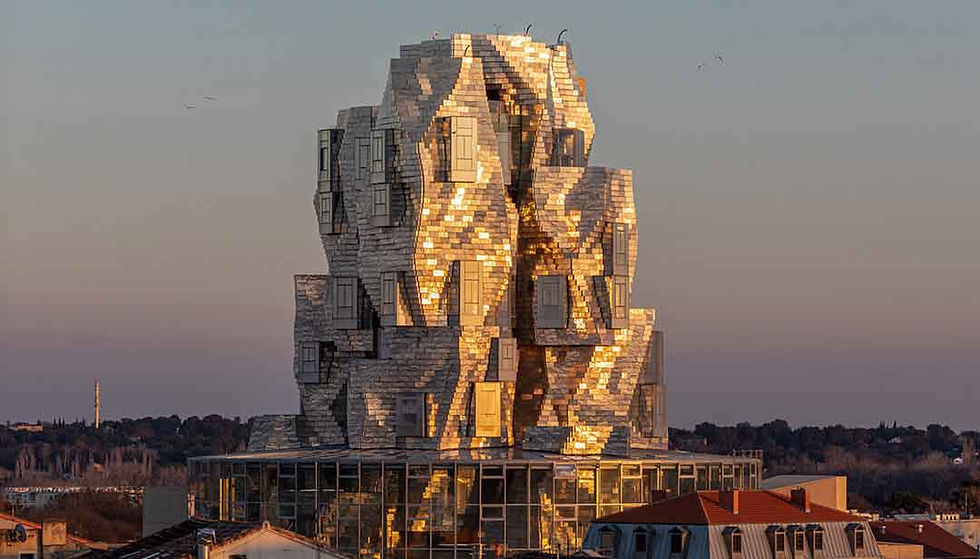
Design and architecture share a common foundation: both shape how people experience space, movement, and structure. While architecture defines physical environments, design translates those environments into visual systems that guide perception, orientation, and meaning. Together, design and architecture construct the frameworks through which space becomes readable, functional, and culturally significant.
Architecture establishes form, scale, proportion, and material presence. It defines how space exists. Design operates within and around these structures, articulating identity through typography, signage, graphics, motion, light, and spatial systems. In this relationship, visual language does not decorate architecture — it activates it, shaping how environments are navigated, interpreted, and remembered.

Design and Architecture as Experiential Systems
Space is not neutral. Every architectural decision influences behavior, and every design decision reinforces or reshapes that influence. Design and architecture work together to choreograph movement, establish hierarchy, and define points of attention.
Visual systems translate architectural intent into human experience. Through contrast, rhythm, scale, and repetition, design helps people understand where they are, where they should go, and how a space should be used. In this sense, design gives architecture a voice, turning structure into experience.
Cultural Institutions and Narrative Spaces
In cultural institutions, exhibitions, and public spaces, design and architecture function as a unified system. Wayfinding, spatial graphics, editorial elements, and digital layers interact with architectural form to create coherent, legible environments.
Museums, galleries, and exhibition spaces rely on design to mediate between content and structure. Design organizes information, establishes narrative flow, and frames how audiences engage with space. Architecture provides the container; design activates the story.
Here, space becomes not only functional, but interpretive — a medium through which culture is communicated.
Flexibility, Temporality, and Contemporary Practice
This intersection becomes especially relevant in contemporary practice, where architecture increasingly incorporates flexible, adaptive, and hybrid spaces. Buildings are no longer static; they host changing programs, temporary events, and evolving narratives.
Design systems must respond to this fluidity. Visual language adapts to spatial rhythm, circulation, and scale, operating across both physical and digital dimensions. Temporary signage, modular graphics, projection, and motion design allow spaces to shift identity without altering structure.
Design becomes a temporal layer — one that can evolve, respond, and reconfigure architecture over time.
Urban Space and Collective Behavior
Beyond individual buildings, design and architecture shape how cities communicate. Urban graphics, signage systems, environmental design, and public information structures influence collective movement and behavior.
Transit systems, public squares, and infrastructure rely on design to transform complexity into clarity. Visual language turns architecture into a navigable city, embedding meaning into everyday space.
In these contexts, design extends architectural thinking beyond walls, integrating communication into the urban fabric and shaping how cities are experienced and remembered.
Design and Architecture as Interconnected Disciplines
Understanding design and architecture as interconnected disciplines allows designers to engage with space not as a surface, but as a system. Space becomes legible through structure and expressive through visual language.
It is through this dialogue that environments gain identity, coherence, and cultural grounding. Design does not exist on top of architecture — it exists with it, translating structure into experience and space into meaning.

Design and Architecture as Spatial Systems
Design and architecture function as spatial systems that organize how bodies move, pause, and interact within environments. Through proportion, hierarchy, rhythm, and orientation, visual design translates architectural structure into navigable and meaningful space.
In exhibitions, cultural venues, and urban contexts, this relationship allows architecture to speak through design — aligning structure with narrative, function with emotion, and space with cultural identity.
Written by Otávio Santiago, a multidisciplinary designer exploring the intersection of emotion, form, and technology. His practice spans graphic, motion, and 3D design, bridging digital and physical experiences.




Comments